
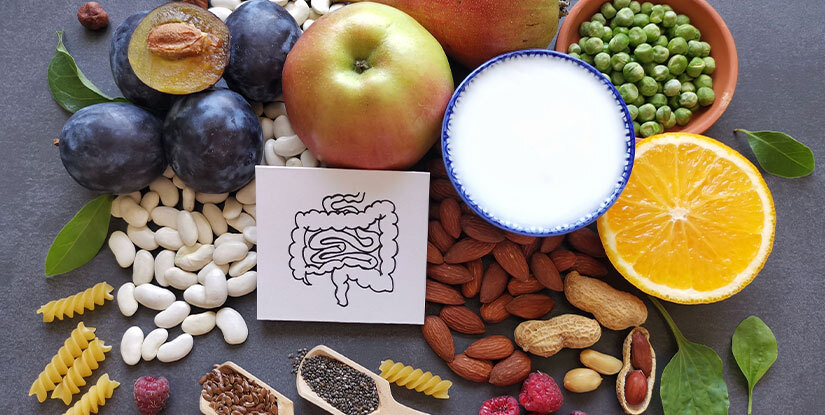
In recent years, the spotlight on gut health has intensified, uncovering its profound impact on various aspects of our well-being, including weight management. As obesity rates climb and diets continue to evolve, many Americans are turning to their microbiome—the vast community of microorganisms residing in their digestive tracts—as a potential ally in the battle against excess weight. But can nurturing your gut flora truly help you shed pounds? This exploration delves into the intricate relationship between gut health and weight management, examining scientific research, expert opinions, and practical strategies to harness the power of your microbiome for a healthier you.
Understanding the Microbiome: Your Gut’s Hidden Workforce
At the heart of the gut health conversation is the microbiome—a complex ecosystem comprising trillions of bacteria, viruses, fungi, and other microorganisms living primarily in the intestines. These microscopic inhabitants play a crucial role in digestion, nutrient absorption, immune function, and even influencing mood and behavior. Recent studies suggest that the composition and diversity of your gut microbiome may significantly impact your body weight and metabolism.Study
How the Microbiome Influences Weight
The gut microbiome affects weight management through several mechanisms:
- Energy Harvesting: Certain bacteria are more efficient at extracting calories from food. An abundance of these energy-harvesting bacteria can lead to increased calorie intake and, consequently, weight gain.
- Fat Storage Regulation: Some microorganisms influence the body’s ability to store fat. For example, specific bacterial strains have been linked to the regulation of fat cells and the hormones that control hunger and satiety.
- Inflammation and Metabolism: Dysbiosis, or an imbalance in the gut microbiome, can lead to chronic inflammation, which is associated with insulin resistance and metabolic syndrome—conditions that hinder weight loss efforts.
Scientific Insights: What Research Shows
A pivotal study published in Nature in 2013 demonstrated that transferring the microbiota from obese mice to germ-free mice resulted in significant weight gain, even without changes in diet. This groundbreaking research underscored the microbiome’s potential role in obesity.
Further research has identified specific bacterial phyla associated with leanness and obesity. Lean individuals tend to have a higher ratio of Bacteroidetes to Firmicutes, while those with obesity often exhibit a different balance, although findings are not entirely consistent across all studies.
Experts like Dr. Alessio Fasano, a pediatric gastroenterologist, emphasize that while the microbiome’s influence on weight is evident, it’s just one piece of the complex puzzle of obesity. Factors such as genetics, environment, diet, and lifestyle also play significant roles.
Health Claims vs. Reality: Deciphering the Microbiome’s Role in Weight Loss
As the fascination with the microbiome grows, so does the influx of products and diets claiming to optimize gut health for weight loss. From probiotics and prebiotics to specialized diets like the ketogenic or plant-based diets, consumers are inundated with options promising to reshape their gut flora for a slimmer waistline.
Health Claims Supported by Evidence
- Probiotics for Weight Management: Probiotics, live beneficial bacteria, have been shown in some studies to aid weight loss. Strains like Lactobacillus gasseri and Bifidobacterium have been associated with reduced body fat and lower body mass index (BMI).
- Prebiotics and Fiber Intake: Prebiotics are non-digestible fibers that feed beneficial gut bacteria. Increased fiber intake has been linked to weight loss through enhanced satiety, reduced appetite, and improved metabolic profiles.
- Diverse and Balanced Diets: Diets rich in diverse plant-based foods promote a varied microbiome, which is generally associated with better metabolic health and lower obesity rates.
Overstated or Unsupported Claims
- Single-Strain Supplements: While certain probiotic strains show promise, many over-the-counter supplements lack robust clinical evidence supporting their efficacy in weight loss.
- Miracle Diets: No single diet can guarantee weight loss through microbiome manipulation alone. Sustainable weight management typically requires a combination of balanced nutrition, physical activity, and behavioral changes.
- Immediate Results: Changes in the microbiome and their impact on weight happen gradually. Claims of rapid weight loss through microbiome tweaks are often exaggerated and not supported by scientific evidence.
Potential Downsides and Limitations: Navigating the Microbiome’s Complexities
While the prospect of leveraging the microbiome for weight management is enticing, it’s essential to recognize the potential drawbacks and limitations.
Individual Variability
The microbiome is highly individualized, influenced by genetics, diet, environment, and lifestyle. What works for one person may not work for another, making personalized approaches necessary yet challenging. Personalized medicine, which takes into account an individual’s unique microbiome composition, is an emerging field that holds promise but is still in its infancy.
Risk of Dysbiosis
Manipulating the gut flora without a comprehensive understanding can lead to dysbiosis, an imbalance that may cause gastrointestinal issues, weaken the immune system, or exacerbate metabolic disorders. It’s crucial to approach microbiome manipulation with caution and under professional guidance to avoid unintended health consequences.
Interactions with Medications and Health Conditions
Some probiotics and dietary changes can interact with medications or complicate existing health conditions. For instance, individuals with compromised immune systems or those taking immunosuppressive drugs should exercise caution with probiotic supplementation. Additionally, certain prebiotics might not be suitable for individuals with specific digestive disorders like irritable bowel syndrome (IBS).
Limited Long-Term Studies
Most studies on the microbiome and weight loss are short-term. The long-term effects of altering the microbiome for weight management remain under-researched, necessitating more extensive studies to understand potential consequences fully. Longitudinal studies are needed to determine the sustainability of microbiome-based interventions and their long-term safety.
Practical Tips for Harnessing Your Microbiome for Weight Management
Despite the complexities, there are evidence-based strategies to optimize your gut health for better weight management.
Diversify Your Diet
A diverse diet promotes a varied microbiome, which is beneficial for metabolic health. Incorporate a range of fruits, vegetables, whole grains, legumes, nuts, and seeds to provide different fibers and nutrients that support various microbial species. Diversity in your diet ensures that different types of bacteria thrive, contributing to a more resilient and adaptable microbiome.
Incorporate Probiotic-Rich Foods
Foods like yogurt, kefir, sauerkraut, kimchi, and other fermented products are natural sources of probiotics. Regular consumption can introduce beneficial bacteria into your gut, potentially aiding in weight management. Fermented foods not only provide probiotics but also enhance the bioavailability of nutrients, making them more accessible for absorption.
Embrace Prebiotics
Prebiotics feed your existing beneficial bacteria. Foods high in prebiotic fibers include onions, garlic, asparagus, bananas, and chicory root. Including these in your diet can enhance the growth of microbes associated with leanness. Prebiotics also contribute to the production of short-chain fatty acids (SCFAs), which play a role in regulating appetite and metabolism.
Limit Processed Foods and Sugars
Highly processed foods and excessive sugar can disrupt the microbiome balance, promoting the growth of harmful bacteria and inflammation. Opt for whole, minimally processed foods to support a healthy gut environment. Processed foods often contain additives, preservatives, and artificial sweeteners that can negatively impact gut health.
Stay Hydrated
Adequate hydration is essential for maintaining a healthy gut. Water facilitates the movement of food through the intestines and supports the mucosal lining that houses beneficial bacteria. Proper hydration also aids in the production of digestive enzymes and the elimination of waste products.
Manage Stress and Sleep
Chronic stress and poor sleep can negatively impact the microbiome. Practices like mindfulness, meditation, regular physical activity, and maintaining a consistent sleep schedule can support gut health and overall weight management. Stress management techniques help reduce the production of cortisol, a hormone that can influence fat storage and appetite.
Consider Probiotic Supplements with Caution
If contemplating probiotic supplements, consult with a healthcare professional to determine the most appropriate strains and dosages for your specific needs. Not all probiotics are created equal, and what works for one individual may not benefit another. Selecting supplements with clinically validated strains and adequate CFU counts is crucial for effectiveness.
How to Choose the Right Microbiome-Friendly Products
With the market flooded with products targeting gut health, selecting the right ones can be daunting. Here are some guidelines to help consumers make informed choices:
Check for Proven Strains and CFUs
Choose probiotics that list specific strains with evidence supporting their benefits for weight management. Additionally, look for products that disclose the number of Colony Forming Units (CFUs) to ensure potency. Research reputable brands that invest in clinical studies to back their claims.
Opt for High-Quality Prebiotics
When selecting prebiotic supplements, ensure they contain types of fibers proven to support beneficial bacteria, such as inulin or fructooligosaccharides (FOS). High-quality prebiotics should be free from unnecessary additives and derived from natural sources.
Read Labels Carefully
Be wary of products with excessive additives, artificial sweeteners, or fillers that can negate the benefits of probiotics and prebiotics. Transparent labeling ensures you know exactly what you’re consuming and can avoid ingredients that may negatively impact your gut health.
Consider Dietary Restrictions
Ensure that the products align with your dietary needs, whether you’re vegan, gluten-free, or have other specific dietary restrictions. Many probiotic and prebiotic supplements cater to various dietary preferences, so check the labels for compatibility.
Seek Professional Recommendations
Consulting with a dietitian or healthcare provider can provide personalized recommendations based on your health status and weight management goals. Professionals can help identify the most suitable strains and dosages, ensuring that supplements complement your overall health strategy.
Integrating Gut Health Strategies into a Balanced Diet
Achieving optimal gut health for weight management doesn’t require radical dietary overhauls. Instead, integrating small, sustainable changes can make a significant difference over time.
Start with Fiber-Rich Foods
Gradually increase your intake of fiber-rich foods to support your microbiome without causing digestive discomfort. This approach allows your gut bacteria to adapt and thrive. Aim for a mix of soluble and insoluble fibers to promote diverse microbial activity and enhance digestive health.
Incorporate Fermented Foods Daily
Aim to include at least one serving of fermented food each day. This practice introduces beneficial bacteria regularly, contributing to a balanced microbiome. Experiment with different fermented foods to keep your diet enjoyable and varied.
Plan Balanced Meals
Ensure each meal contains a mix of macronutrients—proteins, healthy fats, and carbohydrates—along with ample vegetables and whole grains to support overall health and gut diversity. Balanced meals provide the necessary nutrients for both your body and your microbiome, fostering a symbiotic relationship.
Monitor and Adjust
Pay attention to how your body responds to dietary changes. Tracking your food intake and any related weight changes can help identify what works best for your unique microbiome. Keeping a food diary or using a nutrition tracking app can provide valuable insights into your eating patterns and their effects on your weight and gut health.
Stay Consistent
Consistency is key in nurturing your microbiome. Maintain your gut-friendly habits to reap long-term benefits in weight management and overall health. Consistent dietary and lifestyle practices help stabilize your microbiome, making it easier to sustain positive changes.
The Bottom Line: A Holistic Approach to Weight Management
The connection between gut health and weight management is a fascinating and evolving field. While the microbiome holds potential as a tool for weight loss, it is not a magic bullet. Sustainable weight management requires a multifaceted approach encompassing diet, exercise, sleep, and stress management.
Cultivating a healthy microbiome can support your weight loss efforts, enhance metabolic health, and improve overall well-being. However, it’s essential to approach microbiome-focused strategies with realistic expectations and a commitment to long-term lifestyle changes rather than quick fixes.
As research continues to unravel the complexities of the gut microbiome, future interventions may offer more targeted and effective ways to leverage these tiny organisms for significant health benefits. Until then, embracing a balanced, diverse diet and healthy lifestyle remains the cornerstone of weight management.
Take Charge of Your Gut Health Today
Your journey toward a healthier weight might just start in your gut. By understanding and nurturing your microbiome, you can unlock a powerful ally in your weight management efforts. Remember to consult with healthcare professionals before making significant changes to your diet or starting new supplements. Equip yourself with knowledge, make informed choices, and take gradual steps to support your gut health. Your microbiome is unique—embrace its diversity and let it guide you toward a healthier, happier you.