
In an era where the hustle never stops and screens are our constant companions, achieving a good night’s sleep can feel like an elusive goal. Sleep hygiene, a collection of practices and habits designed to promote quality sleep, has emerged as a vital tool in combating insomnia and enhancing overall well-being. Whether you’re a night owl struggling to wake up in the morning or someone who lies awake pondering life’s mysteries, understanding and implementing the best sleep hygiene practices can transform your nights—and days.
Understanding Sleep Hygiene
Sleep hygiene encompasses a variety of strategies that align daily habits with the body’s natural sleep-wake cycle. These practices are rooted in the understanding that sleep quality is influenced by numerous factors, including environment, lifestyle, and behavioral patterns. By optimizing these elements, individuals can foster conditions conducive to restful sleep.
But how exactly are these practices crafted, and why do they matter?
At its core, sleep hygiene involves creating an environment and routine that signal to your body it’s time to wind down. This includes aspects such as maintaining a consistent sleep schedule, optimizing the sleep environment, managing light exposure, and regulating diet and exercise. These practices are not arbitrary; they are based on scientific insights into how our bodies process and respond to various stimuli related to sleep.
The Building Blocks of Good Sleep Hygiene
Good sleep hygiene is multifaceted, involving both environmental and behavioral strategies. Here are the fundamental components:
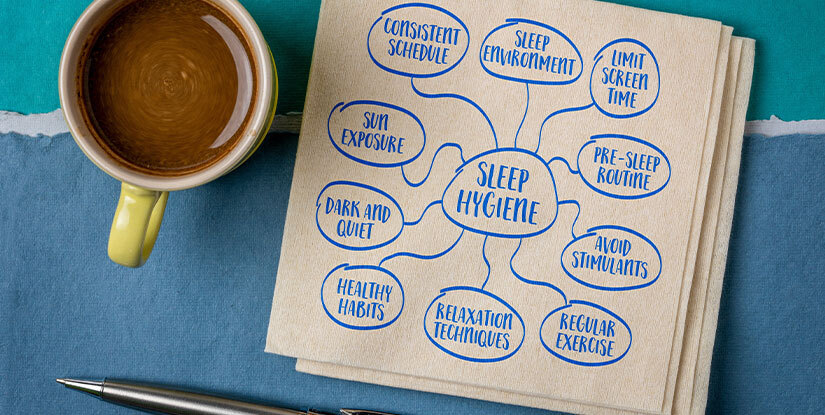
- Consistent Sleep Schedule: Going to bed and waking up at the same time every day helps regulate your body’s internal clock. This consistency reinforces your body’s sleep-wake cycle, making it easier to fall asleep and wake up naturally. Irregular sleep patterns can disrupt circadian rhythms, leading to sleep disturbances.
- Creating a Restful Environment: A cool, dark, and quiet bedroom can significantly enhance sleep quality. Temperature plays a crucial role; a cooler room helps lower the body’s core temperature, which is necessary for initiating sleep. Investing in a comfortable mattress and pillows also plays a crucial role in preventing discomfort and ensuring that you remain undisturbed throughout the night.
- Limiting Screen Time Before Bed: The blue light emitted by phones, tablets, and computers can interfere with the production of melatonin, the hormone responsible for sleep. Prolonged exposure to screens before bedtime can delay sleep onset and reduce sleep quality. Implementing a digital curfew at least an hour before bed can mitigate these effects.
- Mindful Eating and Drinking: Avoiding caffeine and heavy meals close to bedtime prevents disruptions in sleep patterns. Caffeine is a stimulant that can keep you awake, while heavy or spicy foods can cause indigestion and discomfort, making it difficult to fall asleep. Additionally, it’s important to manage fluid intake to minimize nighttime awakenings for bathroom trips.
- Physical Activity: Regular exercise promotes better sleep by reducing stress and anxiety, increasing the depth of sleep, and helping you fall asleep faster. However, timing is important; exercising too close to bedtime can have the opposite effect by increasing adrenaline levels and core body temperature.
These practices are not invented overnight; they are based on scientific research and expert recommendations aimed at aligning with the body’s natural rhythms.
The Science Behind Sleep Hygiene
Numerous studies have explored the impact of sleep hygiene on sleep quality. Research published in the Journal of Behavioral Medicine found that improved sleep hygiene practices were associated with better sleep quality and reduced insomnia symptoms. Additionally, experts like Dr. Matthew Walker, a neuroscientist and sleep expert, emphasize that sleep hygiene is foundational for cognitive function, emotional regulation, and physical health.Study
Understanding the physiological mechanisms can further illuminate why sleep hygiene is so effective. The circadian rhythm, often referred to as the body’s internal clock, regulates sleep-wake cycles over a 24-hour period. Disruptions to this rhythm—such as irregular sleep schedules or excessive light exposure—can impair the body’s ability to transition smoothly into sleep and wakefulness.
Moreover, the homeostatic sleep drive, which builds up during wakefulness and dissipates during sleep, is integral to feeling rested. Proper sleep hygiene ensures that this drive is balanced, preventing excessive fatigue or difficulty in falling asleep.Study
However, it’s not just about adhering to a checklist. The efficacy of sleep hygiene practices can vary among individuals, influenced by personal habits, stress levels, and underlying health conditions. This nuanced understanding underscores the importance of a tailored approach to sleep.
Health Claims vs. Reality
Proponents of sleep hygiene assert that these practices can prevent sleep disorders, enhance sleep quality, and improve overall health. Indeed, consistent application of good sleep habits has been linked to:
- Improved Cognitive Function: Quality sleep is essential for memory consolidation, learning, problem-solving, and critical thinking. Studies have shown that individuals who maintain good sleep hygiene perform better on cognitive tasks and have enhanced creative abilities.
- Emotional Stability: Adequate sleep helps regulate emotions, reducing the risk of mood swings, anxiety, and depression. Lack of sleep can heighten emotional reactivity and impair the ability to cope with stress.
- Physical Health Benefits: Good sleep is associated with lower risks of chronic conditions such as heart disease, diabetes, and obesity. During sleep, the body undergoes processes that repair tissues, regulate hormones, and maintain metabolic functions.
- Enhanced Immune Function: A robust immune system relies on quality sleep to function optimally. Regular sleep helps in the production of cytokines, proteins that help combat infections and inflammation.
While these claims are supported by substantial evidence, it’s important to recognize that sleep hygiene is not a panacea. For individuals with chronic sleep disorders or medical conditions, additional interventions such as cognitive-behavioral therapy for insomnia (CBT-I) or medication may be necessary. Thus, while sleep hygiene forms the bedrock of healthy sleep, it should be complemented with professional guidance when needed.
Potential Downsides and Limitations
Implementing sleep hygiene practices is generally safe, but there are considerations to keep in mind:
- Rigidity in Schedules: Strict adherence to sleep times can lead to stress if disruptions occur, potentially worsening sleep quality. Life is unpredictable, and overly rigid schedules may cause anxiety when deviations are necessary, such as during travel or social events.
- Overemphasis on Environment: While a conducive sleep environment is important, factors like stress and mental health play an equally critical role and may require separate attention. Ignoring these aspects can limit the effectiveness of sleep hygiene practices.
- Misinterpretation of Practices: Incorrectly applying sleep hygiene principles, such as excessive napping or overly restrictive schedules, can inadvertently contribute to sleep disturbances. For example, long or late naps can interfere with nighttime sleep, while setting unrealistic bedtimes can lead to frustration and resistance.
Moreover, individual differences mean that what works for one person might not work for another. Personalization and flexibility are key to successfully integrating sleep hygiene into one’s lifestyle. It’s essential to listen to your body and make adjustments based on what feels most effective for your unique needs.
Practical Tips for Enhancing Sleep Hygiene
Embracing sleep hygiene doesn’t require a complete overhaul of your lifestyle. Here are actionable tips to seamlessly integrate these practices into your daily routine:
- Establish a Consistent Sleep Schedule:
- Aim to go to bed and wake up at the same time every day, even on weekends. Consistency reinforces your body’s circadian rhythms.
- Use alarms and reminders to help maintain consistency, especially if your schedule is irregular.
- If you need to shift your sleep schedule, do so gradually by adjusting bedtime and wake-up time by 15 minutes each day.
- Optimize Your Sleep Environment:
- Keep your bedroom cool (between 60-67°F) and dark. Consider blackout curtains or eye masks to block out light.
- Reduce noise with earplugs or white noise machines if needed. Consistent background noise can help mask disruptive sounds.
- Invest in a comfortable mattress and pillows suited to your sleep style. The right support can prevent aches and ensure comfort throughout the night.
- Ensure your bedroom is used primarily for sleep and relaxation to strengthen the association between your environment and rest.
- Limit Exposure to Screens Before Bed:
- Turn off electronic devices at least an hour before bedtime to allow your body to produce melatonin naturally.
- Use blue light filters on screens if you must use them in the evening. Many devices have settings that reduce blue light exposure.
- Engage in non-screen-related activities such as reading a physical book, listening to calming music, or practicing a hobby.
- Mind Your Diet and Hydration:
- Avoid caffeine and nicotine in the late afternoon and evening, as these stimulants can keep you awake.
- Refrain from heavy or spicy meals within two hours of bedtime to prevent indigestion and discomfort.
- Stay hydrated throughout the day, but limit fluid intake close to bedtime to reduce nighttime awakenings for bathroom trips.
- Incorporate sleep-friendly foods into your diet, such as those rich in tryptophan (e.g., turkey, nuts) and magnesium (e.g., leafy greens, whole grains).
- Incorporate Relaxation Techniques:
- Engage in calming activities such as reading, meditating, or taking a warm bath before bed to signal to your body that it’s time to unwind.
- Practice deep breathing or progressive muscle relaxation to ease into sleep. Techniques like the 4-7-8 breathing method can be particularly effective.
- Consider mindfulness or guided imagery exercises to reduce mental chatter and promote a state of relaxation.
- Exercise Regularly:
- Aim for at least 30 minutes of moderate exercise most days, which can help regulate sleep patterns and increase sleep quality.
- However, avoid vigorous activity close to bedtime as it can increase adrenaline levels and core body temperature, making it harder to fall asleep.
- Incorporate activities you enjoy, such as walking, yoga, or swimming, to maintain consistency without feeling like a chore.
- Manage Stress and Anxiety:
- Develop a pre-sleep routine that includes journaling or mindfulness to decompress from the day’s stresses.
- Identify and address sources of stress through techniques like cognitive-behavioral strategies, therapy, or stress management workshops.
- Create a worry journal where you jot down concerns before bed, allowing your mind to process them earlier rather than during sleep time.
- Limit Naps:
- If you need to nap, keep it short (20-30 minutes) to avoid entering deep sleep, which can cause grogginess and interfere with nighttime sleep.
- Avoid napping late in the afternoon, as it can shift your sleep-wake cycle and make it harder to fall asleep at your regular bedtime.
- Use naps strategically, such as during periods of increased physical or mental demand, to enhance overall productivity without compromising nighttime rest.
Implementing these tips requires patience and persistence. It’s important to monitor your sleep patterns and adjust strategies as needed to find what works best for you.
Choosing the Right Practices for You
With a plethora of sleep hygiene strategies available, selecting the right ones can feel overwhelming. Here’s how to make informed choices:
- Assess Your Sleep Patterns: Keep a sleep diary to identify habits that may be affecting your sleep. Track factors like bedtime, wake time, number of awakenings, and how you feel in the morning. This can help pinpoint specific areas that need improvement.
- Start Small: Implement one or two changes at a time to avoid feeling overwhelmed. For example, begin by establishing a consistent sleep schedule before tackling environmental adjustments. Gradual changes are more sustainable and less likely to lead to burnout.
- Listen to Your Body: Pay attention to how different practices affect your sleep quality and make adjustments accordingly. If a particular strategy isn’t working, don’t hesitate to modify it or try an alternative approach.
- Seek Professional Advice: If sleep issues persist despite good sleep hygiene, consult a healthcare provider or a sleep specialist. They can help identify underlying issues and recommend appropriate treatments, such as cognitive-behavioral therapy for insomnia (CBT-I) or other medical interventions.
Personalization is key. What benefits one person may not work for another, so it’s essential to tailor sleep hygiene practices to fit your unique needs and lifestyle. This may involve experimenting with different strategies and being open to adjusting your approach based on your experiences.
Integrating Sleep Hygiene into a Balanced Lifestyle
Sleep hygiene should be part of a holistic approach to health. Pairing good sleep practices with a balanced diet, regular exercise, and mental health care amplifies the benefits. For instance, combining physical activity with proper sleep can enhance both energy levels and recovery, while managing stress through mindfulness complements a restful night’s sleep.
Moreover, understanding that sleep needs can vary throughout different life stages and adjusting practices accordingly ensures sustained sleep health. From adolescents experiencing growth spurts to older adults managing changes in sleep architecture, adapting sleep hygiene practices to meet evolving needs is essential.
Here are some considerations for different life stages:
- Adolescents: Teenagers require more sleep due to developmental changes. Encouraging early bedtimes and limiting evening screen time can help align their sleep schedules with their biological needs.
- Adults: Balancing work, family, and personal time can be challenging. Prioritizing sleep by setting boundaries around work hours and creating a relaxing evening routine can support better sleep hygiene.
- Older Adults: Aging can affect sleep patterns, leading to lighter sleep and more frequent awakenings. Adjusting sleep environments to be more comfortable and incorporating daytime activities to promote tiredness at night can help.
Integrating sleep hygiene into your daily life also involves recognizing the interconnectedness of various health behaviors. For example, poor nutrition can lead to discomfort or energy fluctuations that disrupt sleep, while regular exercise supports overall health and enhances sleep quality. By addressing multiple aspects of health simultaneously, you create a synergistic effect that promotes better sleep and general well-being.
Conclusion: The Value of Prioritizing Sleep Hygiene
In the relentless pace of modern life, sleep hygiene stands as a beacon guiding us toward healthier, more restful nights. The benefits—ranging from enhanced cognitive function and emotional stability to improved physical health—are compelling motivators for adopting these practices. While not a cure-all, good sleep hygiene lays the foundation for better sleep and, by extension, a better quality of life.
Quality sleep is essential for nearly every aspect of health, including brain function, emotional well-being, physical health, and overall quality of life. By investing time and effort into establishing and maintaining good sleep hygiene, you set yourself up for success in both your personal and professional life. The ripple effects of quality sleep can lead to improved productivity, better relationships, and a more positive outlook on life.
However, it’s crucial to approach sleep hygiene with flexibility and personalization. One size does not fit all, and what works for one individual may not work for another. By thoughtfully selecting and adapting sleep hygiene strategies to fit individual needs, anyone can take significant strides toward achieving a restful night’s sleep.
Take Action: Prioritize Your Sleep Today
Reflect on your current sleep habits and identify one sleep hygiene practice you can implement tonight. Whether it’s winding down with a book instead of staring at a screen or setting a consistent bedtime, taking that first step can set the stage for transformative sleep improvements. Remember, quality sleep is not a luxury—it’s a fundamental pillar of health and well-being. Start prioritizing your sleep hygiene today, and awaken to the benefits of a truly restful night.
Here are a few actionable steps to get you started:
- Choose One Practice: Select a single sleep hygiene habit to focus on initially, such as establishing a consistent sleep schedule.
- Create a Plan: Outline how you will implement this practice. For example, decide on your bedtime and wake-up time and set reminders to help you stick to it.
- Monitor Your Progress: Keep a sleep diary to track how the new habit affects your sleep quality. Note any changes in how you feel during the day.
- Adjust as Needed: If the chosen practice isn’t working as expected, tweak it or try a different strategy. Flexibility is key to finding what works best for you.
- Expand Gradually: Once the initial practice becomes a natural part of your routine, consider adding another sleep hygiene habit to further enhance your sleep quality.
By taking these steps, you can gradually build a robust sleep hygiene routine that supports your overall health and well-being. Embrace the journey to better sleep and enjoy the myriad benefits that come with it.